• Occupation

    Prof. Vikas Arya
  • Mail

    info@vikasarya.in
  • Location

    Morocco
About Me

Vikas Arya,

Dr. Vikas Arya is a visionary scholar in Digital Brand Management whose research bridges the worlds of technology and consumer psychology. As an Associate Professor at Paris School of Business, his pioneering work on Metaverse branding, AR/VR, and AI-driven marketing redefines how brands engage with consumers in virtual ecosystems. Through global collaborations and impactful publications, Dr. Arya continues to shape the future of marketing and digital consumerism

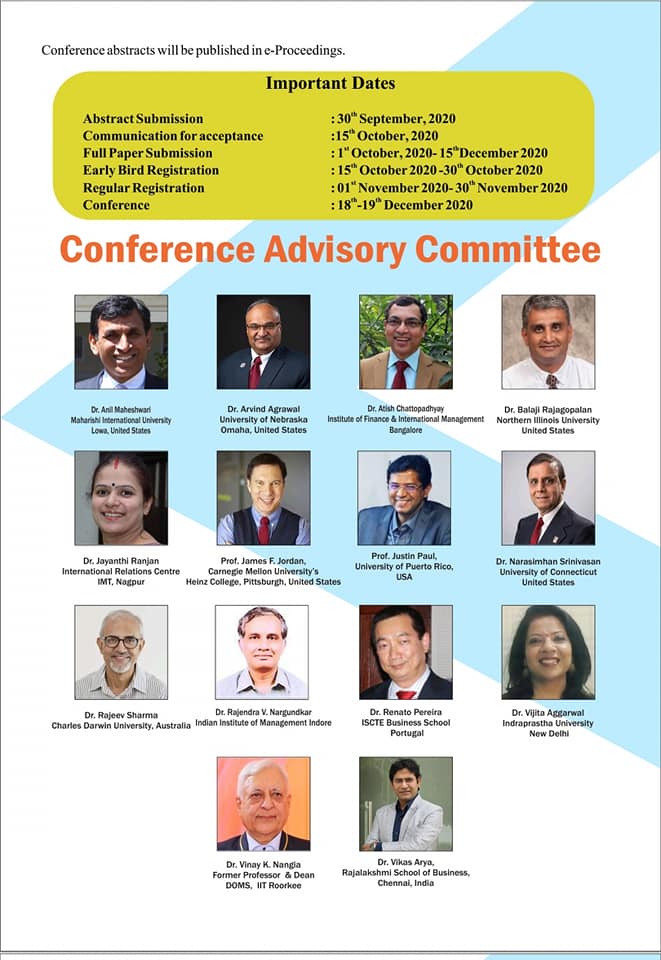
Dr. Vikas Arya, is a doctorate in Digital Brand Management, and is currently associated with Paris School of Business, Paris, France as an Associate Professor (Marketing). Having recently completed his research fellowship at Corvinus University of Budapest, Hungary (2024–25), he continues to advance collaborative research in digital branding and consumer behavior. He is a Founder of BlueForskning Research Academy. Prof Arya received European Scholarship “ERASMUS+ - 2022 to do research on Metaverse, AR/VR from Polonia University, Poland. As a research scholar, he has presented his research work at reputed conferences, including EGOS at Copenhagen Business School-Denmark, American Marketing Science Conference (AMS-USA), and Global Brand Conference – Italy, Edinburg, Portugal, EMAC – Conference – Lithuania, etc. Prof. Dr. Arya edited various special issues from reputed Journals listed in the Scopus &/or ABDC category.  He has published papers in reputed journals such as Business Strategy and the Environment, Journal of Knowledge Management, Journal of Consumer Behaviour, International Journal of Consumer Studies, International Journal of Information Management, Computers in Human Behavior, Journal of Retailing and Consumer Studies, Journal of Global Information Management, etc. He is an expert in quantitative data analysis and has imparted various training sessions/workshops on Metaverse/ AR-VR, Research and data Analysis. His core consultancy, research, and teaching interests are in Metaverse, Web 3.0, AR & AI, Consumer Behaviour, Brand Management, Marketing Communication, Destination Branding, Digital Mobile Apps marketing, Brand Building using virtual platforms, etc.

 To contact him at vikas.aryaa@yahoo.in 

Play Video

Combination of Skill & Experience

Education

  • Cognitive Sciences

    University of Maine
    2018 - 2020

    The goal of cognitive science is to understand the principles of intelligence with the hope that this will lead to better comprehension.

  • Civil Engineering

    University of Texas
    2016 - 2017

    Civil engineering is arguably the oldest engineering discipline. It deals with the built environment and can be dated to the first time someone placed a roof.

  • Bachelor of Science

    Univercity of Dhaka
    2012 - 2015

    This project is called a thesis and is usually presented in front of a group of people, including university professors who will evaluate it and let the student..

Experience

  • UI/UX Designer

    Envato Market
    2018 - running

    Web Developers are build a website’s core structure using coding languages, while designers are more visually creative and user-focused.

  • Creative Designer

    Bahanno Digital
    2015 - 2017

    Web Developers are build a website’s core structure using coding languages, while designers are more visually creative and user-focused.

Personal Skills

Time Management90%
Effeciency70%
Intigrity80%

Software Skills

  • Ms Office

  • Photoshop

  • Illustrator

  • Figma

My Academic Credentials that I did for publication

Testimonials

What people say about me

News

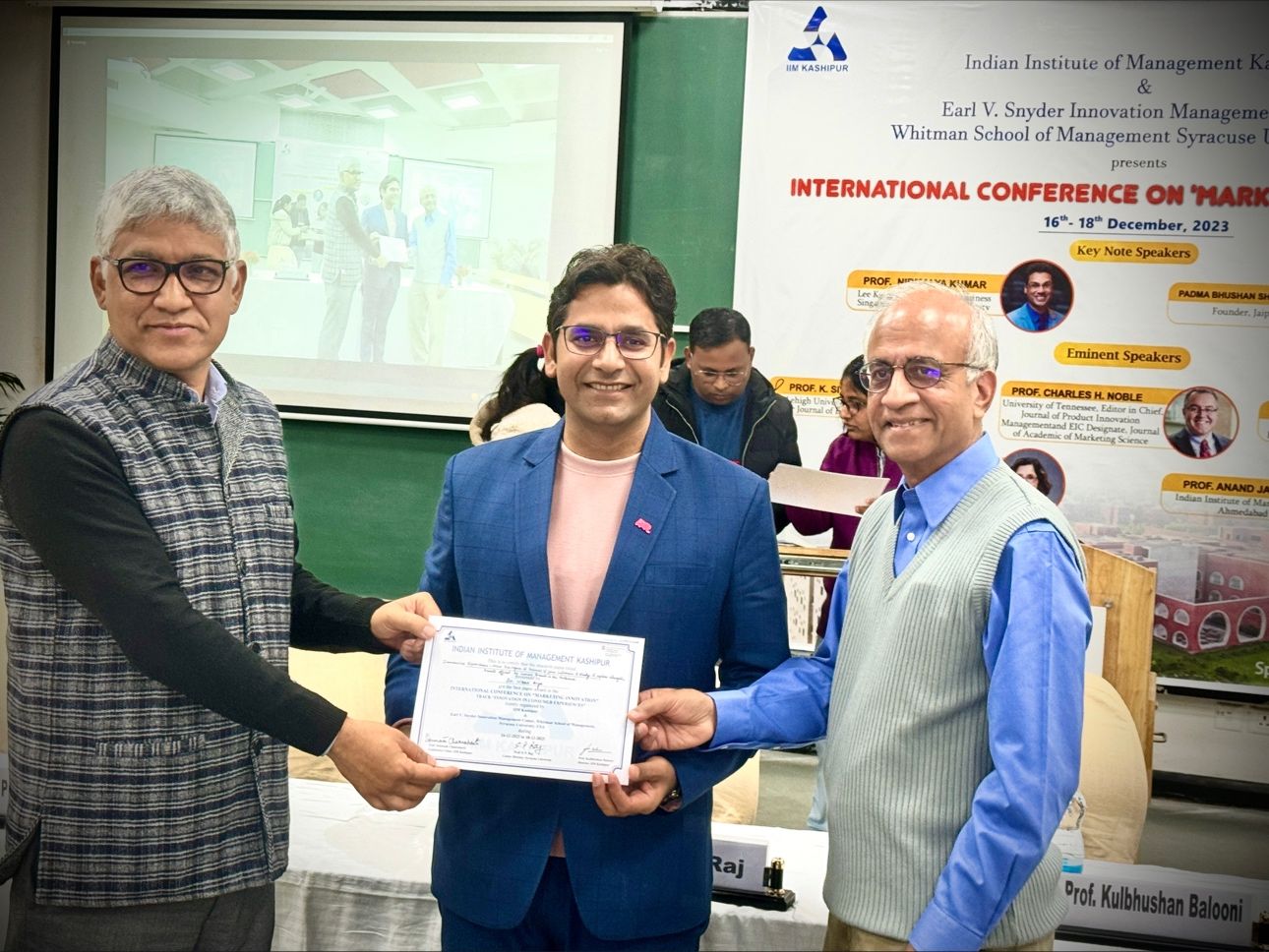
Dr. Vikas Arya recieved best paper award at International Conference hosted by Indian Institute of Management, Kashipur, India during 16-18 December 2023.

March 11, 2022
Dr. Vikas Arya recieved best paper award at International Conference hosted by Indian Institute of Management, Kashipur, India during 16-18 December 2023.

Honored to receive the best paper award for the paper entitled “Immersive Experience–New Dialogue to Deliver to your Customers. A Study to Explore Intangible Assets Offered by Luxury Brands in the Metaverse “ framed along with my scholar Bouchra OUKHAYI and presented at the international conference on Marketing Innovation hosted by Indian Institute of Management Kashipur during 16-18 December 2023.

I extend my heartful appreciation to Prof. Kulbhushan Balooni (Director IIM-Kashipur) and Prof. S.P. Raj (Syracuse University – Whitman School of Management, USA) for bestowing this prestigious award upon me. Gratitude to Track_Chairs, Prof hShivam_Rai & Prof Arun Kaushik for their support and appreciation.

Excited to contribute to the discourse on metaverse fashion and innovation in design in luxury fashion.⭐️💐💐⭐️

Rabat Business School UIR

hashtag#bestpaperaward hashtag#marketinginnovation hashtag#luxuryfashion hashtag#ResearchRecognition
hashtag#metaversemarketing hashtag#metaversefashion hashtag#metaverse hashtag#metaversenews hashtag#highereducation hashtag#morocco hashtag#india hashtag#researchimpact hashtag#metaversemagic

Blog
  • Place marketing is not a new term but in the context of the tourism industry, it has become the most important tool to generate revenue. Place-marketing referrers to generate the feeling which comes quite natural in a travellers’ mind. Place-marketing strategy is used by marketers to brand a city in a specific way and make the city more famous in a crowed of multiple cities. A smart city project is also helping to build brand value for the city. But, major development is possible only when place-making efforts are drawn from a place of attachment. Every city is having its own characters which make the city lively, like as; a community who live there, their culture and customs, nature of business – Manufacturing business, government jobs, education hub, medical tourism & Nature proximity, etc. Historical background of the city is also considered strongly while designing place-marketing strategies. On the other side, to do place-marketing, targeting specific community is in trend these day, and that too is online-based communities where people have joined based on their mutual common interest. For example; various online communities active on Facebook or twitter influencing people to travel leh-laddak, India in a group of people travelling through bike. The practice of hosting the community on virtual platforms and engaging the people in online- communities to have a conversation on place-branding is not that much easy as it seems to be. The responsibility to do the place-marketing is the combined job of marketers, non-profit organizations, local authorities, common civilians, who can take charge to showcase the best version of their city and make the city environment more friendly, full of fun with a sense of safety and security tourist can have.

    Considering the growth of independent travel, people are interested to take short breaks from their routine work and travelling to their short-distance place. Inbound traveller is most frequent who prefer to visit a place nearby 500 Kms of their home city. For the same, he always prefers low cost airlines, Internet facilities, comfortable stay facilities, and flawless traveling. All these factors helps to develop brand personality of the place. The place –developed personality always remain fresh and motivate others to visit the place via their post on Facebook, WhatsApp status and Instagram, twitter post. It must be capable of evolving to meet the changing attitudes and behaviors of the tourist today and in the future. It must also be capable of encouraging repeat visits, and capable of advancing the interests of related economic activities and employment. The amount of information obtained regarding tourists’ perception is very valuable and should be the basis for the development of effective differentiation strategies. This type of study should be done in a continuous manner, so destination managers can monitor how brand perceptions are evolving.

    Dr. Vikas Arya is a strategist for the digital practices involved in Destination Branding. He is having various research articles in his bucket, which has been published in top level International Journals (A-Star – ABDC). He is currently associated with Rajalakshmi School of Business as an Assistant Professor in Marketing domain. He is exploring new and emerging area of destination branding, place-marketing, role of virtual communities in place-marketing, HENRY’s tourist behaviour etc. & role of mobile apps in decision making system.

  • The effective brands’ equity or brand value helps in place-branding. Brand equity is a combination of place image, customers’ brand satisfaction and their loyalty towards the place and wider visibility of the place name. It’s important to have awareness of place names on a large scale to build the place brand. Awareness, Perceived Image & loyalty, and projected image are important factors to consider while designing strategies for brand monitoring for place-marketing.

    Awareness: Brand awareness is the existence of your brand in the target groups’ members. It can be measured with a simple mechanism, to ask people from the targeted group “name the branded place you remember or aware”. If your brand-place name is in their wish list means you have visibility, and this will help you in a long way to get brand-place recognition as and when it is mentioned to them directly or indirectly. This phenomenon is known as brand recall.  

    Perceived Image, and Loyalty: Perceived image by the tourist, investors, the businessman is being checked pre – and post-visit to the brand-place. Also, their satisfaction level and loyalty are to be measured. These constructs could be the valuable antecedents of brand equity of place, and help to build place-marketing value.

    Projected Image: Projected image is also an important factor which contributes to position place as a branded place for tourist. What is the general consideration people have built about the place, what media coverage is talking about, how city image is being discussed over online communities, i.e. Facebook, Twitter, blogs, online platforms talking about the city? Whether it is good or bad for the branding of the city. Another dimension to notice is; what travel writers suggesting about the place, whether investment agencies are having trust in local authorities, travel agents are supporting the place-marketing campaign. 

    Execution: To make tourism market globalized and more profitable, we have to universalized the inbound and outbound tourists’ preferences, have to consider their principle requirements. Local authorities along with the government support are always on beneficial side to make and implement global strategy for tourist destinations’ promotion (for example, substantial budget, access to local and industry information, possibility of strategic initiatives’ implementation and so on). The main factors of Indian tourism brand development and implementation, based on studying the international experience directly from foreign tourists (who visited India) along with the inbound tourist as well. The basic recommendations on tourism branding strategy would be; to invest on digital marketing, build online communities, trained local authorities to handle the crowed at large level, imergency services. And, most important the complete package for travel assistance, local guide support, supportive and humble conversation from the local people and safety during travel is major concern, we have to provide.

    Dr. Vikas Arya is a strategist for the digital practices involved in Destination Branding. He is having various research articles in his bucket, which has been published in top level International Journals (A-Star – ABDC). He is currently associated with Rajalakshmi School of Business as an Assistant Professor in Marketing domain. He is exploring new and emerging area of destination branding, place-marketing, role of virtual communities in place-marketing, HENRY’s tourist behaviour etc. & role of mobile apps in decision making system. 

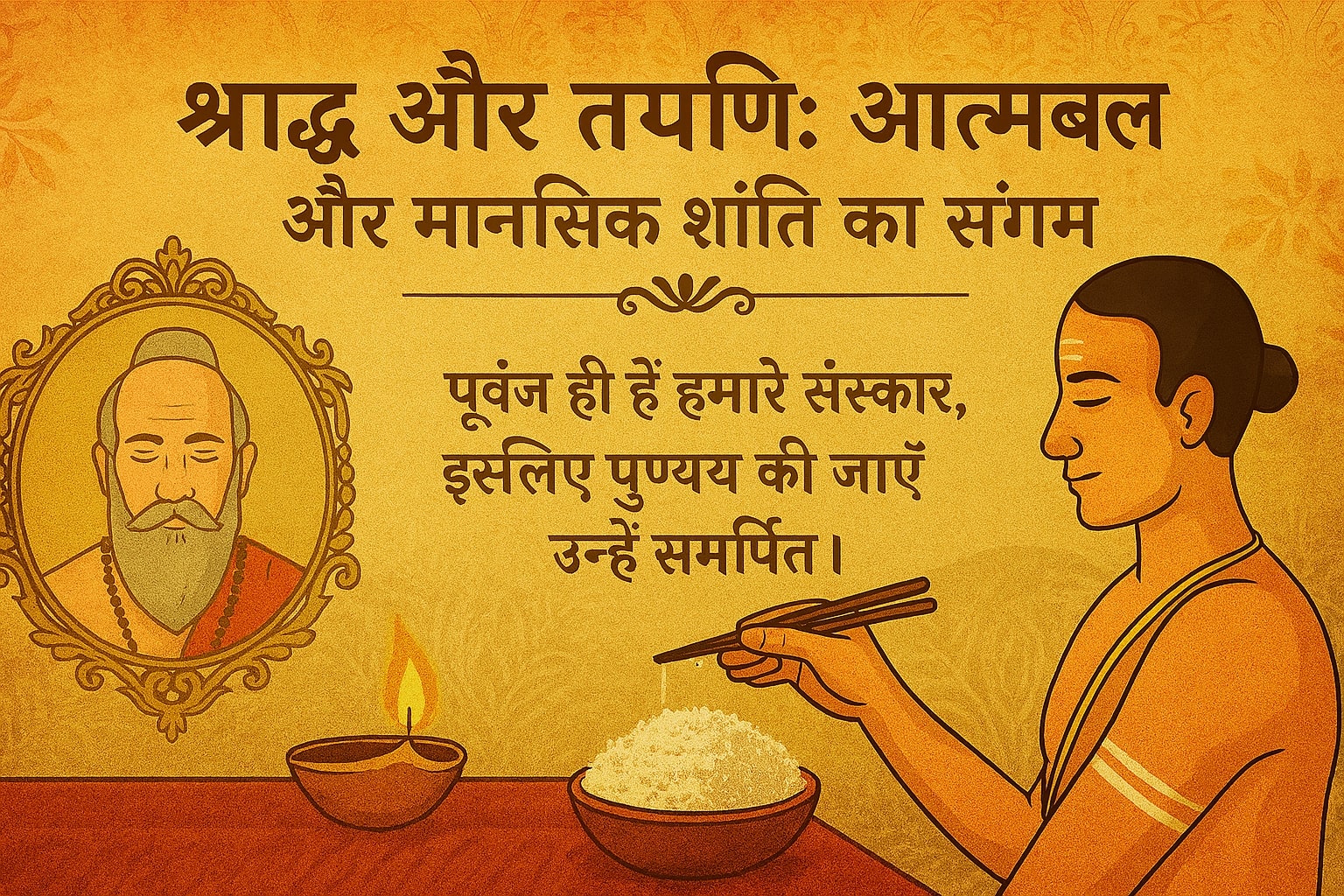
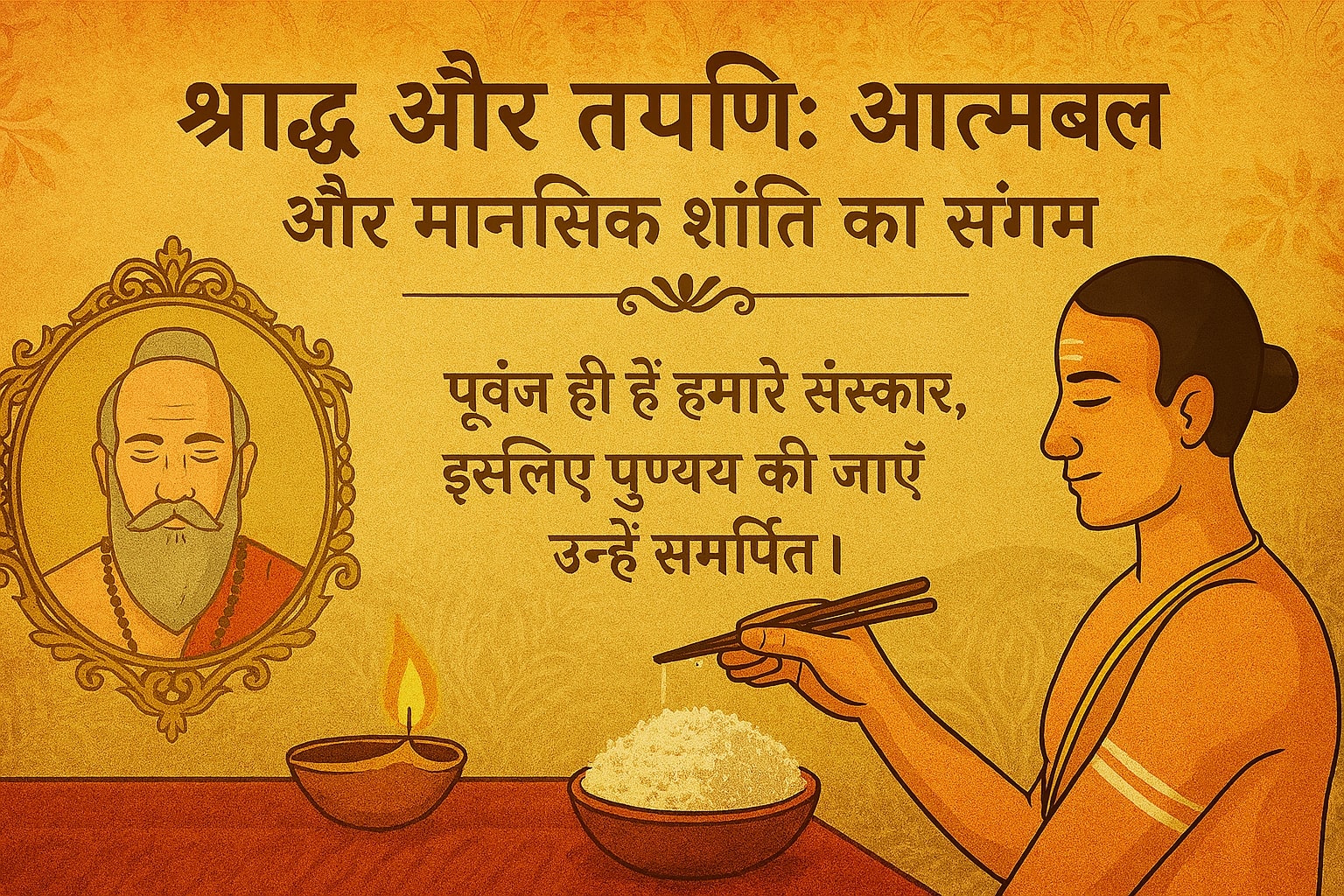
  • श्राद्ध और तर्पण: पूर्वजों की स्मृति, न्यूरोसाइंस और मानसिक स्वास्थ्य का अद्भुत संगम - डॉ. विकास आर्य, पेरिस, फ्रांस

    श्राद्ध और तर्पण भारतीय संस्कृति के ऐसे गहन आध्यात्मिक एवं वैज्ञानिक कार्य हैं, जो न केवल हमारे पूर्वजों के प्रति श्रद्धा व्यक्त करने का माध्यम हैं, बल्कि यह हमारी मानसिक, भावनात्मक और सामाजिक उन्नति के लिए भी महत्वपूर्ण हैं। यह परंपरा केवल रूढ़िवादिता नहीं है, बल्कि एक वैज्ञानिक रूप से गहराई से जुड़ा हुआ मनोवैज्ञानिक उपचार (psychological therapy) है, जो हमें आंतरिक शांति और आत्मबल प्रदान करता है।

    न्यूरोसाइंस और स्मृति विकास का दृष्टिकोण

    जब हम अपने पूर्वजों को याद करते हैं, उनकी कहानियाँ सुनते और साझा करते हैं, तब हमारे मस्तिष्क के कई महत्वपूर्ण हिस्से सक्रिय हो जाते हैं।

    1. हिप्पोकैम्पस (Hippocampus): यह मस्तिष्क का वह हिस्सा है जो यादों को संग्रहीत करता है। पूर्वजों की स्मृतियों और कहानियों को याद करना हमारी दीर्घकालिक स्मृति (long-term memory) को मजबूत करता है। यह उसी प्रकार है जैसे बच्चों को उनके इतिहास और पारिवारिक संघर्षों की कहानियाँ सुनाई जाएँ, जिससे उनमें गर्व और आत्मबल का विकास होता है।
    2. अमिग्डाला (Amygdala): यह हमारी भावनाओं का केंद्र है। जब हम तर्पण करते हैं या पूर्वजों का स्मरण करते हैं, तो हमारे भीतर श्रद्धा, प्रेम और कृतज्ञता की भावनाएँ प्रबल होती हैं। यह हमारे मानसिक तनाव को कम करके सकारात्मक भावनाओं को बढ़ावा देता है।
    3. प्रिफ्रंटल कॉर्टेक्स (Prefrontal Cortex): यह हिस्सा हमारी एकाग्रता और निर्णय लेने की क्षमता को बढ़ाता है। श्राद्ध और तर्पण जैसे अनुष्ठान आत्मनियंत्रण, ध्यान और संयम का अभ्यास कराते हैं, जो हमारे दैनिक जीवन में स्थिरता और स्पष्टता लाते हैं।

    स्मृतियों का ट्रिगर और मनोवैज्ञानिक उपचार

    स्मृतियाँ अक्सर इवेंट-बेस्ड ट्रिगर से सक्रिय होती हैं। जैसे ही हम किसी विशेष अनुष्ठान या पूजा में शामिल होते हैं, हमारे अवचेतन (subconscious) मन में दबी हुई यादें और भावनाएँ जागृत हो जाती हैं।
    श्राद्ध और तर्पण का आयोजन उन लोगों के लिए विशेष महत्व रखता है जो वर्षों से किसी प्रियजन के खोने के गहरे दुख में जी रहे होते हैं। यह प्रक्रिया उन्हें यह मनोवैज्ञानिक संदेश देती है कि –

    "जिसके लिए तुम दुखी हो, वह अब इस संसार का हिस्सा नहीं है। तुम अपनी पीड़ा त्यागो, अपनी भावनाओं को संतुलित करो और अपने कर्तव्यों का पालन करो।"

    यह ठीक उसी प्रकार है जैसे किसी अवसादग्रस्त (depressed) रोगी को थेरेपी देकर यह समझाया जाए कि अब आगे बढ़ने का समय है। आधुनिक मनोविज्ञान के अनुसार, यह एक प्रकार की ग्रिफ काउंसलिंग (grief counseling) है।

    सांस्कृतिक विरासत और चरित्र निर्माण

    हम अपने बच्चों को नेताजी सुभाष चंद्र बोस, महात्मा गांधी या अन्य महापुरुषों की कहानियाँ इसलिए सुनाते हैं ताकि उनमें आदर्श और मजबूत चरित्र का निर्माण हो सके। वैसे ही यदि हम अपने पारिवारिक पूर्वजों की संघर्ष गाथाएँ, उनके गुण और त्याग की कहानियाँ अपने बच्चों को सुनाएँ, तो उनमें गहरी जड़ें और आत्मगौरव विकसित होगा।

    यह बच्चों को यह भी सिखाता है कि जहाँ वे आज पहुँचे हैं, वह केवल उनके प्रयासों का परिणाम नहीं है, बल्कि कई पीढ़ियों के सामूहिक संघर्ष का नतीजा है। यह ठीक उसी प्रकार है जैसे मानव जाति ने जंगलों में बंदर की तरह जीवन जीने से लेकर आज की आधुनिक सभ्यता तक की लंबी यात्रा तय की है।

    रामायण से न्यूरोसाइंस तक

    रामायण में एक अद्भुत उदाहरण है – जब हनुमान जी को उनकी भूली हुई शक्तियों का स्मरण कराया गया, तब ही वे अपने वास्तविक सामर्थ्य को पहचान पाए और असंभव कार्यों को संभव कर सके। यह घटना यह स्पष्ट करती है कि स्मृतियों और आत्म-चेतना को जागृत करना कितना महत्वपूर्ण है।

    वैज्ञानिक दृष्टिकोण से, हमारे मस्तिष्क में कई ऐसी सुप्त स्मृतियाँ (dormant memories) होती हैं जो हमेशा सक्रिय नहीं रहतीं। आधुनिक न्यूरोसाइंस यह मानती है कि स्मृति एक ऊर्जा-रूप में हमारे न्यूरॉन्स (neurons) और डीएनए स्तर तक संग्रहीत रहती है। इसी सिद्धांत के आधार पर, हम यह समझ सकते हैं कि पुनर्जन्म (rebirth) में भी कुछ स्मृतियाँ एक जन्म से दूसरे जन्म में स्थानांतरित हो सकती हैं। वास्तविक जीवन में भी हमने ऐसे कई उदाहरण देखे हैं जहाँ छोटे बच्चे या वयस्क अपने पूर्व जन्म के अनुभवों को आश्चर्यजनक रूप से सही-सही बता पाते हैं। यह इस बात का प्रमाण है कि स्मृति का हस्तांतरण (memory transfer) संभव है, बस यह सभी में ट्रिगर नहीं हो पाता।

    जब हम श्राद्ध, तर्पण या पूर्वजों का स्मरण करते हैं, तो यह अनुष्ठान हमारे सुप्त अवचेतन मस्तिष्क (subconscious mind) को उत्तेजित करता है। यह उत्तेजना हमारे भीतर गहराई में दबी हुई सकारात्मक स्मृतियों और अनुभवों को धीरे-धीरे सक्रिय कर सकती है। यदि हम सामूहिक रूप से अच्छे विचारों, कहानियों और प्रेरणादायक घटनाओं को पीढ़ी-दर-पीढ़ी साझा करें, तो हम न केवल अपने वर्तमान चेतन मन (conscious mind) में, बल्कि अवचेतन मन में भी सकारात्मक न्यूरल नेटवर्क का निर्माण कर सकते हैं।

    इस प्रक्रिया को ऐसे समझिए जैसे हनुमान जी को उनकी शक्ति का स्मरण कराया गया था —
    हम सबके भीतर भी अद्भुत क्षमताएँ छिपी हुई हैं, परंतु वे तब तक प्रकट नहीं होतीं जब तक उन्हें सही संकेत (trigger) नहीं दिया जाता। पूर्वजों का स्मरण और उनके संघर्षों की कहानियों को बार-बार दोहराना हमारे भीतर वह ट्रिगर उत्पन्न कर सकता है, जिससे हमारी छिपी हुई मानसिक, आध्यात्मिक और भावनात्मक शक्तियाँ सक्रिय हों।

    इस प्रकार, श्राद्ध और तर्पण केवल एक धार्मिक अनुष्ठान नहीं, बल्कि मानसिक पुनर्जागरण (mental reawakening) का माध्यम भी हैं। यह न केवल हमें हमारे पूर्वजों से जोड़ता है, बल्कि हमारे अवचेतन मन में छिपी हुई सामूहिक स्मृतियों को जागृत करके हमें आत्मबल, प्रेरणा और जीवन में गहरे उद्देश्य की ओर ले जाता है।

    डीएनए और जीन अभिव्यक्ति पर प्रभाव

    यद्यपि प्रत्यक्ष वैज्ञानिक प्रमाण नहीं हैं कि श्राद्ध और तर्पण हमारे डीएनए को बदलते हैं, लेकिन आधुनिक एपिजेनेटिक्स (Epigenetics) यह मानती है कि हमारे विचार, भावनाएँ और जीवनशैली हमारे जीन अभिव्यक्ति (gene expression) को प्रभावित करते हैं। पूर्वजों के जीवन संघर्षों को जानकर और उनसे सीख लेकर जब हम सकारात्मक निर्णय लेते हैं, तो यह प्रभाव हमारे जीन स्तर तक पहुँच सकता है और आने वाली पीढ़ियों के मानसिक स्वास्थ्य को भी सशक्त कर सकता है।

    मानसिक स्वास्थ्य और सामाजिक समृद्धि

    श्राद्ध और तर्पण हमें मानसिक शांति और संतोष प्रदान करते हैं।

    यह अवसाद, तनाव और दुख को कम करने में मदद करता है।

    यह हमें अपने प्रियजनों को याद करने और उनके प्रति कृतज्ञता व्यक्त करने का अवसर देता है।

    यह पारिवारिक एकता को मजबूत करता है और समाज में करुणा और सहयोग की भावना को प्रबल करता है।

    यदि इसे केवल रूढ़िवादी परंपरा मानकर न किया जाए, बल्कि आत्म-जागरूकता और कृतज्ञता के साथ किया जाए, तो यह मानसिक स्वास्थ्य के लिए एक सशक्त साधन बन सकता है। इसीलिए कहा गया है कि यह न केवल मांसिक शांति लाता है, बल्कि समृद्धि भी लाता है।

    निष्कर्ष

    श्राद्ध और तर्पण केवल एक धार्मिक अनुष्ठान नहीं, बल्कि हमारे पूर्वजों के साथ भावनात्मक और वैज्ञानिक जुड़ाव का पुल हैं। जब हम अपने पूर्वजों का स्मरण करते हैं, उनकी कहानियाँ सुनते हैं, और उनके गुणों को अपने जीवन में उतारते हैं, तो यह हमारे मानसिक स्वास्थ्य, स्मृति विकास और सामाजिक उन्नति के लिए अमूल्य योगदान देता है।

    यह हमें यह सिखाता है कि जीवन में दुख को छोड़कर आगे बढ़ना ही वास्तविक श्रद्धांजलि है।
    जैसे हनुमान जी को उनकी शक्तियों का स्मरण कराया गया था, वैसे ही हमें अपने भीतर छिपी क्षमताओं को जागृत करने की आवश्यकता है – और यह प्रक्रिया हमारे पूर्वजों के आशीर्वाद और स्मरण से संभव होती है। इस प्रकार, श्राद्ध और तर्पण केवल पूर्वजों की पूजा नहीं, बल्कि मन, मस्तिष्क और समाज को जोड़ने वाला एक अद्भुत वैज्ञानिक और आध्यात्मिक उत्सव है।

    एक माता-पिता के रूप में हमारी ज़िम्मेदारी

    आज के समय में अधिकांश माता-पिता श्राद्ध और तर्पण को केवल मंदिरों या नदी के किनारे जाकर करवाते हैं। यह निस्संदेह एक पवित्र और योग्य कार्य है, लेकिन हमें यह भी सोचना चाहिए कि अगर हमारे बच्चे इसमें शामिल नहीं हैं, तो यह परंपरा उनके मन और मस्तिष्क तक कैसे पहुँचेगी।

    हम सबके पास WhatsApp, सोशल मीडिया और अन्य डिजिटल प्लेटफ़ॉर्म हैं। अगर बच्चे प्रत्यक्ष रूप से इन अनुष्ठानों में भाग नहीं ले पा रहे हैं, तो डिजिटल माध्यम के जरिए उन्हें जोड़ना एक अत्यंत प्रभावी तरीका हो सकता है।

    1. अपने पिता, दादा, या अपने गाँव या परिवार के किसी ऐसे प्रभावशाली व्यक्ति की संघर्ष और सफलता की कहानी लिखें, जिनके गुण और विचार आज भी आपको प्रेरित करते हैं।
    2. यह भी लिखें कि कैसे उनकी मेहनत, त्याग और संघर्ष ने आपकी पूरी पीढ़ी को आगे बढ़ने का अवसर दिया।
    3. इन कहानियों को WhatsApp ग्रुप्स या अन्य डिजिटल माध्यम पर अपने बच्चों के साथ साझा करें।
    4. उनसे कहें कि वे इन कहानियों को ध्यान से पढ़ें और समय आने पर अगली पीढ़ी को भी सुनाएँ।

    जब बच्चे इन कहानियों को पढ़ेंगे, तो उनके अवचेतन मस्तिष्क (subconscious mind) में ये बातें गहराई से अंकित होंगी। यह उसी प्रकार है जैसे एक बीज को मिट्टी में डालने के बाद वह धीरे-धीरे अंकुरित होता है।
    ये कहानियाँ उनके भीतर चरित्र, आत्मगौरव, और जीवन के प्रति दृढ़ संकल्प को जन्म देंगी।

    क्यों है यह आवश्यक

    आज की पीढ़ी अक्सर मोबाइल, गेम्स और सोशल मीडिया में व्यस्त रहती है।

    अगर हम उन्हें उपयोगी और प्रेरणादायक सामग्री नहीं देंगे, तो उनका दिमाग केवल सतही जानकारी से भर जाएगा।

    यह हमारी नैतिक जिम्मेदारी है कि हम उन्हें वह ज्ञान और मूल्य दें, जो हमें हमारी पीढ़ियों की विरासत के रूप में प्राप्त हुआ है।

    जिस प्रकार हम अपने बच्चों को आधुनिक शिक्षा दिलाते हैं ताकि वे आगे बढ़ें, उसी प्रकार उन्हें पारिवारिक इतिहास और पूर्वजों के आदर्शों से भी जोड़ना उतना ही महत्वपूर्ण है।
    याद रखिए, भौतिक संपत्ति समय के साथ नष्ट हो सकती है, लेकिन संस्कार और ज्ञान ही वह संपत्ति है, जो हमेशा बढ़ती है और आने वाली पीढ़ियों को समृद्ध करती है।

    सीख और प्रेरणा

    जब बच्चे अपने पूर्वजों की कहानियाँ सुनेंगे या पढ़ेंगे, तो वे यह समझेंगे कि आज उन्हें जो सुविधाएँ और अवसर मिले हैं, वे किसी एक व्यक्ति की मेहनत का परिणाम नहीं, बल्कि कई पीढ़ियों के संघर्ष और त्याग का फल हैं।
    यह उनके भीतर गहरी कृतज्ञता, अनुशासन, और प्रेरणा जगाएगा।

    इसलिए, माता-पिता के रूप में हमें केवल धार्मिक अनुष्ठान करवाने तक सीमित नहीं रहना चाहिए।
    हमें अपनी संतानों के मन और मस्तिष्क को पोषित करने के लिए भी काम करना होगा।
    याद रखें, यह सिर्फ एक पारंपरिक कर्तव्य नहीं, बल्कि एक वैज्ञानिक, मानसिक और सांस्कृतिक निवेश है जो आपकी आने वाली पीढ़ियों के भविष्य को आकार देगा।

    यदि हम यह नहीं करेंगे, तो आने वाली पीढ़ियाँ अपनी जड़ों से कट जाएँगी और इतिहास की अमूल्य धरोहर खो देंगी। लेकिन यदि हम यह कर पाए, तो यह न केवल श्राद्ध और तर्पण की आत्मा को जीवित रखेगा, बल्कि हमारे बच्चों के अवचेतन मस्तिष्क में एक ऐसी सकारात्मक ऊर्जा और सोच का निर्माण करेगा, जो उन्हें जीवनभर मार्गदर्शन देती रहेगी।


    लेखक: डॉ. विकास आर्य, पेरिस, फ्रांस

    वेबसाइट: www.vikasarya.in

    To Read this Article in English --> Click Here

  • Shraddha and Tarpan: A Profound Confluence of Ancestral Memory, Neuroscience, and Mental Well-being
    By Dr. Vikas Arya, Paris, France

    Shraddha and Tarpan are deeply spiritual and scientifically meaningful practices rooted in Indian culture. These rituals are not merely a way to honor and express gratitude to our ancestors, but they also play a vital role in enhancing our mental, emotional, and social well-being. Far beyond being a traditional ritual, Shraddha represents a form of psychological therapy that fosters inner peace, resilience, and emotional balance.

    The Neuroscientific Perspective: Memory Activation and Cognitive Growth

    When we remember our ancestors, recount their stories, and share them with others, several critical regions of our brain are activated:

    1. Hippocampus:
      This part of the brain is responsible for storing memories. Reflecting on ancestral stories strengthens our long-term memory, much like narrating family struggles and triumphs to children, which instills pride and resilience in them.

    2. Amygdala:
      The emotional center of the brain, it is activated when we engage in rituals like Tarpan. This nurtures feelings of reverence, love, and gratitude while reducing mental stress and enhancing positive emotional states.

    3. Prefrontal Cortex:
      This region governs focus, self-control, and decision-making. Participating in Shraddha rituals encourages discipline, mindfulness, and emotional stability, leading to clarity and balance in daily life.

    Memory Triggers and Psychological Healing

    Memories are often event-based triggers, activated by specific rituals or experiences. When we engage in Shraddha and Tarpan, suppressed memories and unresolved emotions rise to the surface of the subconscious mind, allowing us to process them meaningfully.

    For those grieving the loss of loved ones, these rituals act as a profound form of grief counseling. They deliver a silent yet powerful psychological message:

    "The one you mourn is no longer part of this physical world. Release your sorrow, balance your emotions, and focus on fulfilling your duties."

    In modern psychological terms, this is a therapeutic process that helps individuals step out of long-standing grief, much like structured therapy sessions designed to guide patients toward emotional recovery.

    Cultural Legacy and Character Formation

    We narrate stories of great leaders like Netaji Subhas Chandra Bose or Mahatma Gandhi to inspire our children to develop strength and character. Similarly, recounting the struggles, virtues, and sacrifices of our own ancestors to the younger generation roots them deeply in family heritage and fosters a strong sense of identity.

    This helps children realize that the privileges and opportunities they enjoy today are not merely the result of one person’s efforts but the collective outcome of many generations’ struggles and sacrifices. This parallels the long journey of humankind itself—from primitive survival in forests to building the complex modern civilizations we live in today.

    From Ramayana to Neuroscience: Awakening Dormant Memories

    In the epic Ramayana, there is a profound lesson: when Hanuman was reminded of his forgotten powers, he could finally recognize his true strength and accomplish seemingly impossible feats. This illustrates the importance of awakening self-awareness and latent memories.

    From a scientific standpoint, modern neuroscience suggests that many dormant memories reside in our brains, stored at both the neural and DNA levels. These memories are forms of energy encoded within us.

    This explains why some individuals, even children, are able to recall precise details of past lives, a phenomenon observed and documented worldwide. Such instances indicate that memory transfer between lifetimes is indeed possible, though not universally triggered.

    Engaging in Shraddha and Tarpan stimulates the subconscious mind, acting as a neural trigger for positive ancestral memories and experiences. By collectively sharing uplifting stories and ideas across generations, we can build a positive neural network not only in our conscious minds but also within the subconscious.

    Just as Hanuman needed a reminder to unleash his powers, we too possess immense potential hidden within us. Through consistent remembrance and storytelling of ancestral struggles and virtues, we activate this inner strength—emotional, mental, and spiritual.

    Thus, Shraddha is not merely a religious practice, but a process of mental reawakening, connecting us to our ancestors while awakening collective memories that inspire purpose and self-mastery.

    Epigenetics and Gene Expression

    While there is no direct evidence that Shraddha alters DNA, modern epigenetics acknowledges that our thoughts, emotions, and lifestyle significantly influence gene expression.

    By understanding our ancestors' struggles and drawing lessons from their lives, we make positive choices in the present. These choices ripple through our biology, potentially shaping the mental and emotional health of future generations. In this sense, Shraddha becomes a bridge between ancestral wisdom and biological evolution.

    Mental Health and Social Harmony

    Shraddha and Tarpan offer profound benefits for mental health and community well-being:

    They reduce stress, grief, and depression by providing a structured outlet for emotions.

    They foster gratitude and a deeper connection to loved ones who have passed.

    They strengthen family unity and nurture compassion and cooperation within society.

    When approached with mindfulness and understanding—not as rigid tradition—these practices become tools for mental stability and collective prosperity. As the saying goes, they bring not only peace of mind but also abundance and harmony.

    Parents’ Role in Preserving Heritage

    In today’s fast-paced world, many parents perform Shraddha and Tarpan at temples or riverbanks—a noble act indeed.
    However, if children are not included in these rituals, the essence of the tradition risks being lost to future generations.

    With the widespread availability of WhatsApp, social media, and digital platforms, parents can bridge this gap by involving children digitally:

    1. Write detailed stories about your father, grandfather, or influential figures from your family or community.

    2. Highlight their struggles, sacrifices, and successes that have shaped your family’s journey.

    3. Share these stories in family WhatsApp groups and encourage your children to read them carefully.

    4. Ask them to preserve and pass on these stories to the next generation.

    When children engage with these stories, they embed deeply into their subconscious mind, much like seeds slowly sprouting into strong roots.
    These narratives build character, gratitude, and determination, fostering a sense of purpose and belonging.

    Why This Matters

    Today’s youth are often immersed in mobile games and superficial social media content.

    If we don’t provide them with meaningful, inspiring content, their minds will be shaped only by shallow inputs.

    It is our moral duty to pass down the wisdom and values we inherited from our ancestors.

    Just as we invest in modern education for their material success, we must also nurture their spiritual and cultural intelligence.
    Material wealth may fade with time, but values and knowledge grow continuously, enriching future generations.

    Lessons and Inspiration

    When children read and hear stories of their ancestors, they develop a profound awareness that the privileges they enjoy today are the product of many generations’ collective struggles.
    This realization nurtures gratitude, discipline, and inspiration.

    As parents, we must go beyond merely performing rituals.
    We must actively nourish the minds and hearts of our children, creating a foundation of psychological and cultural resilience.

    This is not just a traditional duty; it is a scientific, mental, and cultural investment that will shape the future of our lineage.
    If we fail, future generations may become disconnected from their roots, losing invaluable heritage.
    But if we succeed, Shraddha and Tarpan will not only remain alive as rituals but will also cultivate a positive subconscious energy that guides our children throughout their lives.

    Conclusion
    Shraddha and Tarpan are far more than acts of worship—they are bridges connecting us emotionally and scientifically to our ancestors. By remembering their stories and embodying their virtues, we enrich our mental health, expand memory development, and foster social progress.

    True homage to our ancestors lies not in clinging to grief, but in moving forward with strength and wisdom.
    Just as Hanuman was reminded of his hidden powers, we too must awaken our inner potential through ancestral remembrance and collective consciousness.

    In essence, Shraddha and Tarpan are not merely rituals of the past but profound scientific and spiritual celebrations uniting the mind, the brain, and society.

    To Read this Article in Hindi --> Click Here
  • India’s rise as a significant contributor to global research output and impact has been rapid and pronounced. The country is now the world’s fifth‑largest economy and, since 2023, the most populous nation; it maintains about 259 researchers per million inhabitants and occupies a central role in the global technology and health sectors. India is the largest global outsourcer of computer programmers, produces roughly 60 % of the world’s vaccines, and became only the fourth nation to make a soft landing on the Moon in 2023. These achievements have coincided with a decisive shift in its research landscape. Where domestic scholarly activity was once modest in volume and influence, recent data demonstrate not only a dramatic expansion in output but also improvements in the quality and international visibility of Indian science.

    Over the last fifteen years, Indian research output has grown almost six‑fold, from about 34 000 articles in 2010 to 195 000 in 2024. This trajectory makes India the second‑fastest‑growing country by article count, underscoring a sustained commitment to knowledge production. Importantly, 2024 data show that more than 72 % of these publications are indexed in Clarivate’s Web of Science, a marker of global visibility and basic quality assurance. With this 72 % indexing rate and a 5 % share of all Web‑of‑Science articles, India now surpasses established G20 research nations such as the United Kingdom and Germany. This combination of scale and indexing indicates that growth has not been confined to lower‑tier outlets but is accompanied by participation in journals recognized by international bibliometric systems.
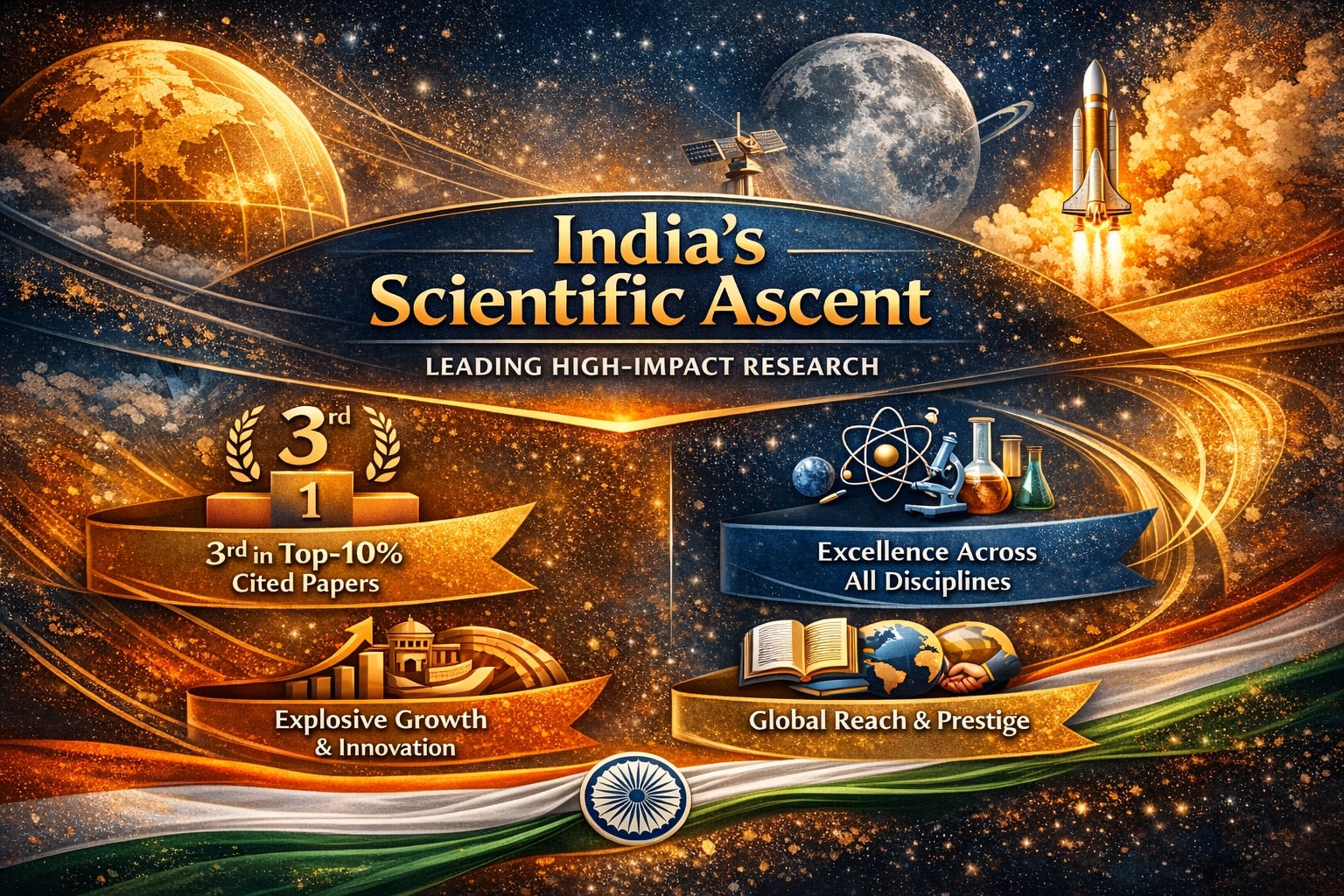
    Citation‑based metrics reinforce this narrative. Dimensions data show that India now produces approximately 19 000 articles in the top decile of cited papers worldwide, accounting for about 11 % of its total output and placing the country third globally behind only China and the United States. The share of top‑decile publications provides a field‑normalized measure of high‑impact research; India’s 5 % contribution to the global pool of top‑decile papers compares favourably with many longer‑established research economies. Within disciplinary slices, India ranks among the top three countries in applied sciences, life sciences and physical sciences. In 2023, it contributed approximately 8 % of the most‑cited papers in applied sciences, 6 % in life sciences and 6 % in physical sciences. In medicine and the humanities and social sciences it remains within the global top ten. These distributions suggest that India’s high‑impact research is not confined to a single field but is spread across a broad disciplinary spectrum.

    Quality indicators beyond raw citation counts also point to improvement. According to Clarivate’s Journal Citation Reports, 67 % of Indian articles in 2024 were published in the top two quartiles (Q1 and Q2), representing the upper half of all indexed journals. This proportion signals progress in targeting higher‑impact outlets and indicates rising editorial standards within domestic research institutions. The Category Normalized Citation Impact for Indian papers climbed from 0.7 in 2015 to 0.9 in 2024, a 29 % increase. On internationally co‑authored papers, the metric reached 1.4, exceeding the G20 average and demonstrating that collaboration with foreign partners yields impact above the world mean. India’s standing in Nature Index adds another dimension. In the 2025 Nature Index Research Leaders table, India ranked ninth globally, with its adjusted share growing by 14.5 % between 2022 and 2023. Notably, chemistry accounts for nearly 60 % of India’s Nature Index output, reflecting a longstanding strength in this domain. While the absolute number of Nature‑indexed articles remains modest at about 1 500 in 2024, the momentum positions India ahead of several research nations that experienced declines in their adjusted share.

    This ascendancy rests on an expanding higher‑education and research infrastructure. The country now hosts over 40 million students and more than 1 162 universities, up from around 750 a decade ago. India is consequently the world’s third‑largest producer of PhD graduates. Policy reforms have accompanied this expansion. The National Education Policy launched in 2020 aims to merge single‑discipline institutes into multidisciplinary universities and to double higher‑education enrolment to approximately 75 million students by 2040. The policy also encourages partnerships with the world’s top 500 universities; two Australian universities announced plans in 2023 to establish campuses in India. Complementing these structural changes is a commitment to open science. India’s “One Nation One Subscription” initiative provides national‑level access to more than 13 000 journals across 30 publishers for 7 200 institutions and is expected to serve about 18 million researchers, students and educators. A budget of 6 000 crore rupees (~US$720 million) has been allocated to fund subscriptions, with an additional 150 crore (~€18 million) per year dedicated to article processing charges. The combination of widespread journal access and financial support for open access publication is designed to increase the reach and impact of Indian research.

    Ensuring research integrity and excellence has also become a policy priority. Although the retraction rate remains low at roughly 0.1–0.3 % of total output, India’s National Institutional Ranking Framework has stated that universities with high retraction numbers will be penalized. The University Grants Commission has instituted retrospective reviews of PhD theses to discourage low‑quality publishing, and many colleges have introduced formal training in research methodology. These measures indicate a growing alignment with international norms around reproducibility and ethical standards. Together with the expansion of research capacity, they suggest that the gains in volume and citation impact are being matched by governance reforms aimed at sustaining quality.

    In sum, a convergence of factors underpins India’s current research trajectory: a dramatic scaling of output, a broadening disciplinary footprint, improvements in publication quality, enhanced visibility through indexing and high‑impact outlets, and a supportive policy environment. The data from Springer Nature’s Global Research Pulse reveal that India has moved from a peripheral position to one of centrality in the global knowledge economy, ranking third in high‑impact outputs and ninth in top‑tier journal contributions. Whether this momentum continues will depend on the ability of institutions and policymakers to maintain investments in education and infrastructure, foster international collaborations, uphold research integrity, and ensure that rapid growth is matched by sustained improvements in quality. The evidence to date suggests a research ecosystem that is maturing rapidly and ready to play a more prominent role in addressing global scientific challenges.

    Read more details read this article published by Springer Nature at: https://stories.springernature.com/global-research-pulse-india/

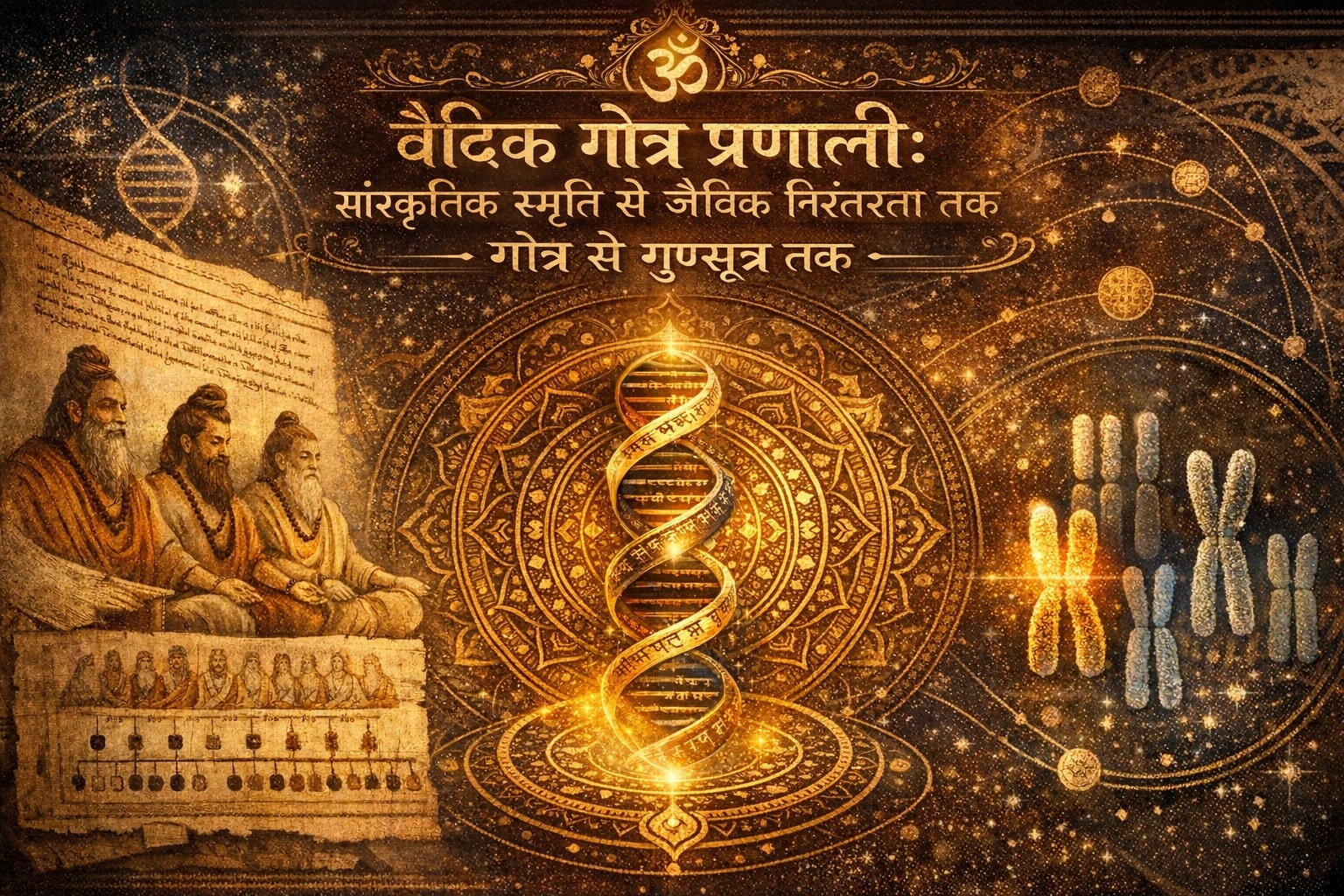
  • वैदिक गोत्र प्रणाली: सांस्कृतिक स्मृति से जैविक निरंतरता तक - गोत्र से गुणसूत्र तक

    भारतीय वैदिक परंपरा में गोत्र व्यवस्था को सामान्यतः धार्मिक या सामाजिक प्रथा मानकर देखा जाता है, किंतु वस्तुतः यह वैदिक समाज द्वारा विकसित एक सुव्यवस्थित, अनुभवजन्य और वंश-आधारित ज्ञान संरचना थी, जिसका उद्देश्य जैविक निरंतरता, आनुवंशिक विविधता तथा सामाजिक संतुलन को दीर्घकाल तक सुरक्षित रखना था। ‘गोत्र’ शब्द का मूल अर्थ वंश अथवा lineage है, और इसका केंद्रीय लक्ष्य किसी व्यक्ति को उसके आद्य पुरुष—अर्थात् प्राचीनतम ऋषि या पूर्वज—से जोड़ना रहा है। उदाहरणतः, भारद्वाज गोत्र का तात्पर्य केवल एक नाम या सामाजिक पहचान नहीं, बल्कि यह संकेत है कि संबंधित व्यक्ति की वंश-परंपरा वैदिक ऋषि भारद्वाज से आरंभ मानी जाती है। इस प्रकार गोत्र प्रणाली एक प्रकार की वंश-स्मृति (genealogical memory) के रूप में कार्य करती रही, जो विवाह नियमों, सामाजिक अनुशासन और मौखिक परंपरा के माध्यम से पीढ़ी-दर-पीढ़ी संरक्षित रही। वर्तमान संदर्भ में गोत्र विषय अत्यंत व्यापक और जटिल हो चुका है; इसे केवल सतही सामाजिक परंपरा के रूप में देखना इसके मूल वैज्ञानिक और दार्शनिक आधार को अनदेखा करना होगा।

    आधुनिक आनुवंशिकी के आलोक में गोत्र व्यवस्था का जैविक आधार और भी स्पष्ट हो जाता है। जैव-विज्ञान यह स्थापित कर चुका है कि Y गुणसूत्र केवल पिता से पुत्र में स्थानांतरित होता है और यही पितृवंशीय आनुवंशिक पहचान का प्रमुख वाहक है। प्रत्येक मानव कोशिका में 23 जोड़े गुणसूत्र होते हैं—कुल 46—जिनमें से 23 माता से और 23 पिता से प्राप्त होते हैं। स्त्रियों में गुणसूत्र संयोजन XX होता है, जबकि पुरुषों में XY। संतान का लिंग निर्धारण पूर्णतः पिता से प्राप्त X या Y गुणसूत्र पर निर्भर करता है—पिता का X माता के X से मिलकर पुत्री का निर्माण करता है, जबकि पिता का Y माता के X से मिलकर पुत्र का। इस प्रकार Y गुणसूत्र न केवल पितृवंशीय पहचान का वाहक है, बल्कि जैविक दृष्टि से वंश-निरंतरता की धुरी भी है।

    वैदिक व्यवस्था में गोत्र का निर्धारण मुख्यतः पितृवंश के आधार पर किया गया, जिसके पीछे एक स्पष्ट जैविक तर्क निहित है। आधुनिक आनुवंशिकी यह भी दर्शाती है कि कुछ विशिष्ट गुण और आनुवंशिक प्रवृत्तियाँ विशेष रूप से Y गुणसूत्र से संबद्ध होती हैं। उल्लेखनीय तथ्य यह है कि Y गुणसूत्र आकार में X गुणसूत्र की तुलना में अपेक्षाकृत छोटा होता है और उसमें समय के साथ कई जीनों का क्षरण हुआ है। अन्य गुणसूत्रों के विपरीत, Y गुणसूत्र का कोई समरूप जोड़ा नहीं होता, जिसके कारण उसमें डीएनए मरम्मत की क्षमता सीमित रहती है। यही कारण है कि विकासवादी दृष्टि से इसे अपेक्षाकृत अधिक संवेदनशील माना जाता है। इस जैविक यथार्थ के संदर्भ में यदि गोत्र व्यवस्था को देखा जाए, तो यह स्पष्ट होता है कि वैदिक समाज ने पितृवंशीय आनुवंशिक निरंतरता की रक्षा हेतु सामाजिक नियमों के माध्यम से एक प्रकार की प्राकृतिक सुरक्षा व्यवस्था विकसित की।

    यह भी उल्लेखनीय है कि आधुनिक विज्ञान यह स्वीकार करता है कि यद्यपि Y गुणसूत्र में क्षरण हुआ है, फिर भी उसने स्वयं को संरक्षित रखने के लिए अनुकूली तंत्र विकसित किए हैं, जैसे कुछ जीन खंडों की प्रतिकृति बनाना। इससे यह निष्कर्ष निकलता है कि गोत्र आधारित विवाह निषेध केवल सांस्कृतिक परंपरा नहीं, बल्कि पितृवंशीय आनुवंशिक संरचना को सुरक्षित रखने का एक व्यवहारिक उपाय रहा है। इसी संदर्भ में वैदिक ज्योतिष का एक रोचक सांकेतिक पक्ष भी सामने आता है, जहाँ ग्रहों (7), नक्षत्रों (27) और राशियों (12) की कुल संख्या 46 बनती है, जो मानव गुणसूत्रों की संख्या से मेल खाती है। यद्यपि इसे प्रत्यक्ष वैज्ञानिक प्रमाण नहीं कहा जा सकता, फिर भी यह इस बात का द्योतक है कि वैदिक चिंतन में मानव शरीर और ब्रह्मांडीय संरचना के बीच गहरा दार्शनिक साम्य स्थापित किया गया था।

    गोत्र प्रणाली की जटिलता केवल पितृवंश तक सीमित नहीं है। गोत्र वर्गीकरण, प्रवर प्रणाली और वंश नियम इस व्यवस्था को और अधिक परिष्कृत बनाते हैं। मनुस्मृति और अन्य धर्मशास्त्र आठ मूल ऋषियों—जमदग्नि, भरद्वाज, विश्वामित्र, अत्रि, गौतम, वसिष्ठ, कश्यप और अगस्त्य—को गोत्रकार ऋषि मानते हैं, जिनसे आगे चलकर असंख्य उपगोत्र विकसित हुए। विभिन्न समुदायों में गोत्रों की संख्या हजारों तक पहुँच गई, जो इस प्रणाली की सामाजिक-ऐतिहासिक गतिशीलता को दर्शाती है। प्रवर की संकल्पना इसी वंशीय स्मृति को और सुदृढ़ करती है; प्रवर उन विशिष्ट ऋषियों की सूची है जिनसे किसी गोत्र की वैचारिक और आध्यात्मिक परंपरा जुड़ी मानी जाती है। शास्त्रों के अनुसार, प्रवर की संख्या एक, दो, तीन या पाँच हो सकती है। कुछ परिवारों में द्विगोत्रीय परंपरा भी मिलती है, जो दत्तक ग्रहण या ऐतिहासिक वंश-संयोगों का परिणाम होती है, और ऐसे मामलों में दोनों गोत्रों में विवाह निषिद्ध माना गया है।

    क्षेत्रीय विविधता भी गोत्र व्यवस्था का एक महत्वपूर्ण पक्ष है। अधिकांश भारतीय समाजों में गोत्र पितृवंश से प्राप्त होता है, किंतु दक्षिण भारत के कुछ समुदायों—विशेषतः मलयाली और तुलु—में गोत्र का संचरण मातृवंश के माध्यम से भी होता है। इन समाजों में विवाह नियम भिन्न हैं; उदाहरणतः मामा की पुत्री से विवाह निषिद्ध होता है, जबकि पितृवंशीय समाजों में यही विवाह धर्मसंगत माना गया है। यह विविधता इस तथ्य को रेखांकित करती है कि गोत्र प्रणाली कोई जड़ या एकरूप संरचना नहीं, बल्कि स्थानीय सामाजिक और आनुवंशिक परिस्थितियों के अनुरूप विकसित हुई व्यवस्था है।

    गोत्र प्रणाली का सबसे महत्वपूर्ण और वैज्ञानिक रूप से सर्वाधिक प्रासंगिक पक्ष सगोत्र विवाह का निषेध है। एक ही गोत्र का तात्पर्य एक ही आद्य पुरुष से वंशगत संबंध होना है; इस कारण ऐसे स्त्री और पुरुष जैविक दृष्टि से भाई-बहन की श्रेणी में आते हैं। आधुनिक विज्ञान इस प्रकार के विवाह को consanguineous marriage की संज्ञा देता है। वैश्विक स्तर पर किए गए आनुवंशिक और जैव-चिकित्सीय अध्ययनों से यह स्पष्ट रूप से सिद्ध हुआ है कि निकट आनुवंशिक समानता वाले विवाहों से उत्पन्न संतानों में जन्मजात विकारों, विभिन्न प्रकार के आनुवंशिक रोगों, मानसिक एवं बौद्धिक अक्षमताओं, तथा रचनात्मक और संज्ञानात्मक विविधता में कमी की संभावना उल्लेखनीय रूप से बढ़ जाती है। यही वैज्ञानिक निष्कर्ष वैदिक काल से चले आ रहे सगोत्र विवाह निषेध को केवल सामाजिक नियम नहीं, बल्कि दीर्घकालिक जैविक स्वास्थ्य की दृष्टि से एक सुविचारित व्यवस्था के रूप में स्थापित करता है।

    वैश्विक वैज्ञानिक अध्ययनों से यह सिद्ध हुआ है कि निकट आनुवंशिक समानता वाले विवाहों से संतानों में जन्मजात विकार, आनुवंशिक रोग, बौद्धिक अक्षमता और रचनात्मक विविधता में कमी की संभावना उल्लेखनीय रूप से बढ़ जाती है। यही कारण है कि केवल भारतीय समाज ही नहीं, बल्कि यूरोप, जापान, मध्य-पूर्व और अन्य अनेक सभ्यताओं में भी ऐतिहासिक रूप से निकट संबंधों में विवाह पर सामाजिक या कानूनी प्रतिबंध लगाए गए।

    इस वैज्ञानिक तर्क को वैदिक शास्त्रों ने अत्यंत स्पष्ट और सूत्रात्मक भाषा में अभिव्यक्त किया है। धर्मशास्त्र कहता है—

    असपिंडा या मातुरसगोत्रा या पितुः
    सा प्रशस्ता द्विजातीनां दारकर्मणि मैथुने।

    अर्थात् जो कन्या माता के कुल की छह पीढ़ियों में न आती हो और पिता के गोत्र की न हो, वही विवाह के लिए प्रशंसनीय है। आधुनिक आनुवंशिकी की भाषा में यह genetic distance maintenance का सिद्धांत है, जिसका उद्देश्य संतानों में पर्याप्त आनुवंशिक विविधता सुनिश्चित करना है। यहाँ ‘छह पीढ़ियाँ’ कोई प्रतीकात्मक संख्या नहीं, बल्कि आनुवंशिक दूरी को बनाए रखने का व्यावहारिक मानक है।

    इसी प्रकार शास्त्रों में यह भी निर्देश दिया गया है कि कुछ विशिष्ट कुलों से विवाह नहीं करना चाहिए—

    हिनक्रियं निष्पुरुषं निश्छन्दों रोमशार्शसम्।
    क्षय्यामयाव्यपस्मारि श्वित्रिकुष्ठीकुलानिच॥

    अर्थात् ऐसे कुल जिनमें सत्कर्मों का अभाव हो, सत्पुरुष न हों, वेदाध्ययन से विमुखता हो, अथवा जिनमें क्षय, दमा, मिर्गी, श्वेतकुष्ठ और गलितकुष्ठ जैसे रोग प्रचलित हों, उनसे विवाह नहीं करना चाहिए, क्योंकि ये दोष विवाह के माध्यम से दूसरे कुल में प्रविष्ट हो जाते हैं। आधुनिक चिकित्सा विज्ञान इस तथ्य की पुष्टि करता है कि ऐसे अनेक रोग hereditary अथवा multifactorial होते हैं, जिनका संचरण पीढ़ी-दर-पीढ़ी संभव है, विशेषकर तब जब आनुवंशिक विविधता सीमित हो। यह दर्शाता है कि वैदिक ऋषियों को आनुवंशिक संचरण का अनुभवजन्य ज्ञान था, भले ही उस समय आधुनिक वैज्ञानिक शब्दावली उपलब्ध न रही हो।

    गोत्र की सामाजिक-ऐतिहासिक गतिशीलता पर याज्ञवल्क्य और बौधायन दोनों का मत है कि प्रारंभिक काल में गोत्रों की संख्या सीमित थी, किंतु कालांतर में यह संख्या हजारों तक पहुँच गई। किसी वंश-परंपरा में जो व्यक्ति विशेष रूप से प्रतिष्ठित हुआ, उसी के नाम से नया गोत्र प्रचलित हो गया। याज्ञवल्क्य का कथन—

    परम्परा प्रसिद्धं गोत्रम्

    —यह स्पष्ट करता है कि गोत्र कोई स्थिर या जड़ अवधारणा नहीं, बल्कि सामाजिक स्मृति और ऐतिहासिक प्रक्रिया का परिणाम है। इसका मूल उद्देश्य सदैव एक ही रहा—वंशीय पहचान और जैविक संतुलन की रक्षा।

    मामा की पुत्री से विवाह की परंपरा इस विमर्श का एक महत्वपूर्ण उदाहरण प्रस्तुत करती है। महाभारत काल से ही मामा की पुत्री से विवाह को शुभ और धर्मसंगत माना गया है, क्योंकि वह पितृगोत्र से भिन्न होती है। दक्षिण भारत, महाराष्ट्र, गुजरात, उड़ीसा और उत्तर भारत के अनेक क्षेत्रों में यह परंपरा आज भी प्रचलित है। इसका शास्त्रीय और वैज्ञानिक कारण स्पष्ट है—यह विवाह सगोत्र निषेध का उल्लंघन नहीं करता और आनुवंशिक विविधता को बनाए रखता है।

    समकालीन समाज में गोत्र-स्मरण की परंपरा के क्षीण होने से गोत्र-संकरता बढ़ रही है, जिसके परिणामस्वरूप सगोत्र विवाह जैसी स्थितियाँ उत्पन्न हो रही हैं। यह केवल शास्त्रीय दृष्टि से ही नहीं, बल्कि वैज्ञानिक दृष्टि से भी चिंताजनक है। आधुनिक जनसंख्या विज्ञान यह स्पष्ट करता है कि किसी भी समाज की दीर्घकालिक जैविक, बौद्धिक और रचनात्मक स्थिरता के लिए आनुवंशिक विविधता अनिवार्य है।

    अतः गोत्र प्रणाली को यदि केवल रूढ़ि या धार्मिक परंपरा मानकर त्याग दिया जाए, तो यह उसके मूल उद्देश्य के साथ अन्याय होगा। यह व्यवस्था आनुवंशिक स्वास्थ्य, जैविक विविधता, सामाजिक संतुलन और सांस्कृतिक निरंतरता को सुनिश्चित करने की एक परिष्कृत प्रणाली थी। आज जब आधुनिक विज्ञान उन्हीं निष्कर्षों की पुष्टि कर रहा है, जिनका संकेत वैदिक ऋषियों ने सहस्रों वर्ष पूर्व सामाजिक नियमों के रूप में दिया था, तब यह स्वीकार करना होगा कि भारतीय ज्ञान परंपरा अनुभवजन्य विज्ञान का एक प्रारंभिक, किंतु अत्यंत परिपक्व रूप प्रस्तुत करती है—जहाँ शास्त्र और विज्ञान परस्पर विरोधी नहीं, बल्कि गहराई से एक-दूसरे से जुड़े हुए हैं।


    -- डॉ. विकास आर्य - 

    द्वारा संकलित

Contact Me

Contact me to get your work done

Please Fill Required Fields